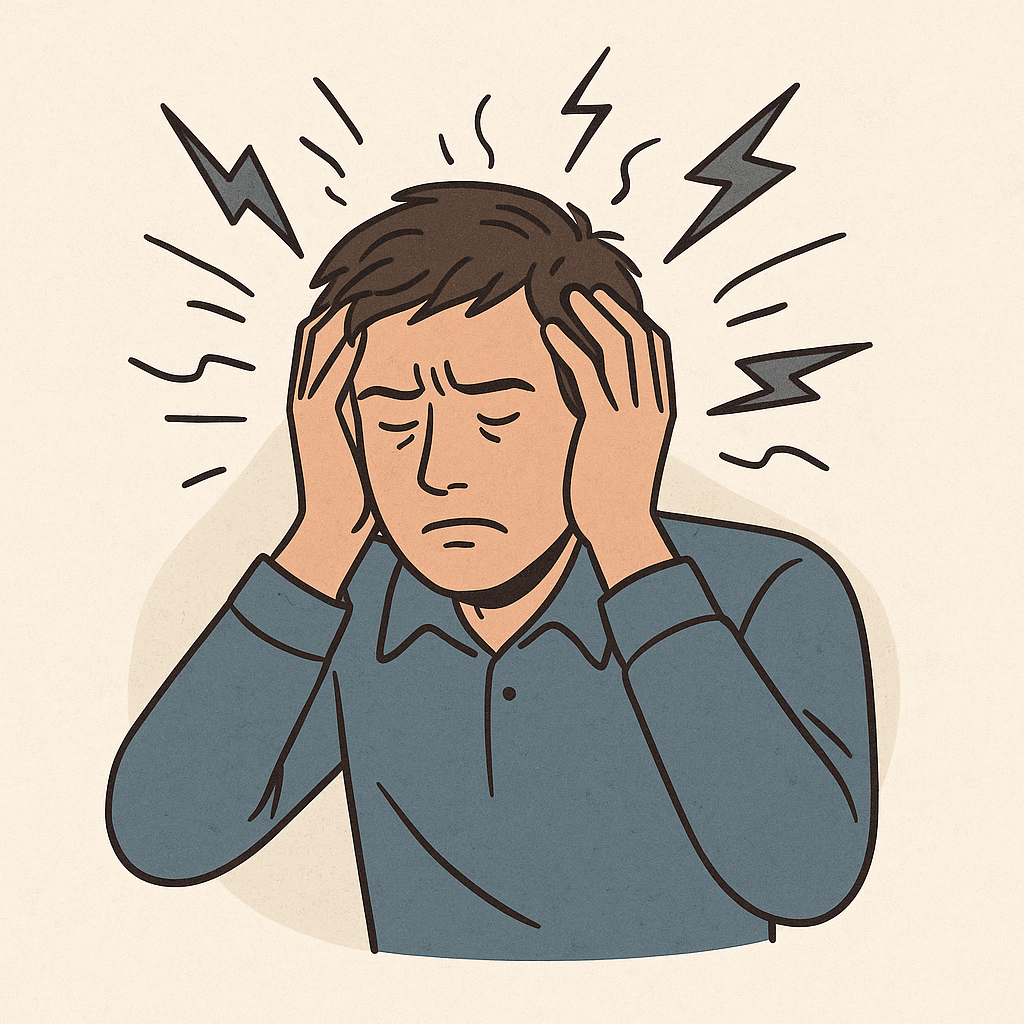
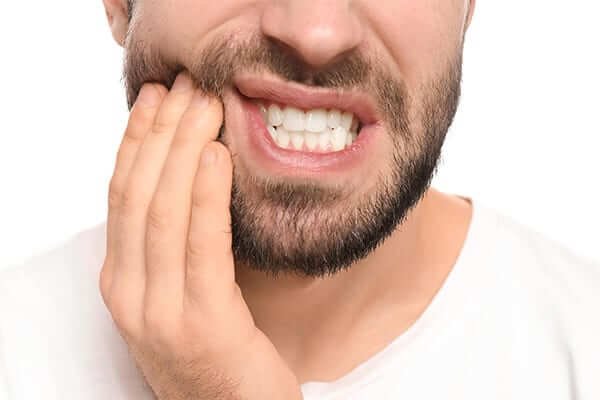



Stress not only affects our mind and body, but it can also have a significant impact on our oral health. Often, people don’t realize that everyday stresses and worries can lead to a number of dental problems. In addition, we will offer practical tips for managing stress and protecting your smile while going through difficult times.
Dolor de Cabeza Vélez-Málaga

The link between stress and oral health

Stress is the body’s natural response to challenging situations, but its impact on oral health can be significant and is often underestimated. Research has shown that during periods of intense stress, people tend to develop habits that are detrimental to their oral health. One of the most common problems associated with stress is bruxism, which is characterized by the involuntary habit of clenching or grinding the teeth.

In addition to bruxism, stress can influence the development of periodontal diseases. The immune system weakens under stressful conditions, which facilitates the body’s inability to fight infections, including those affecting the gums. This can lead to problems such as gingivitis or periodontitis, which cause inflammation and redness in the gums, which in turn can lead to tooth loss if not properly treated.

In times of stress, it is also common for people to neglect their oral hygiene. Lack of time or decreased motivation to perform daily activities, such as brushing or flossing, can increase the risk of cavities and other oral problems. This is especially exacerbated when diet is affected due to a cycle in which deteriorating oral health can increase psychological stress, creating a reciprocal relationship that must be carefully addressed.

Therefore, it is critical to recognize how stress influences oral health and seek effective strategies to manage it. In order to maintain a healthy smile even in challenging times.

How does stress affect oral health?

Bruxism (teeth grinding)

Bruxismo Vélez-Málaga

Emotional stress can lead to involuntary muscle tension and one of the most common ways it manifests itself is bruxism. This habit can occur by clenching the teeth, especially at night. This habit can cause tooth wear, jaw pain, headaches and damage to tooth enamel. Over time, bruxism can cause teeth to become chipped or loose.

Gum disease (gingivitis and periodontitis)

Stress can reduce the effectiveness of the immune system, making the gums more vulnerable to infection. Gingivitis (gum inflammation) is an early stage of periodontal disease that, if left untreated, can develop into periodontitis, a severe form that affects the tissues supporting the teeth, which can lead to tooth loss.

Dry mouth

During stressful situations, the salivary glands may produce less saliva, leading to dry mouth (xerostomia). Saliva is essential for the protection of teeth, as it helps to neutralize acids and remove food debris and bacteria. Lack of saliva increases the risk of tooth decay, bad breath and oral infections.

Increased intake of sugary foods

People often turn to sugary foods or drinks to cope with stress, which can increase the likelihood of tooth decay. The sugars in these foods are part of the bacteria found in the mouth, which can accelerate the formation of dental plaque.

Bad breath (halitosis)

Stress can influence the development of bad breath, due to reduced saliva production and increased bacteria in the mouth. In addition, emotional stress can affect oral hygiene habits, which also contributes to bad breath.

Tips to reduce the impact of stress on your oral health

Practice relaxation techniques

Exercising, practicing yoga, meditating or even deep breathing can help reduce stress and prevent bruxism. Consider incorporating these activities into your daily routine to relax and release tension.

Use a nighttime mouth guard

If you experience problems with bruxism, a mouth guard (also known as a bite guard) may be helpful in protecting your teeth during your night’s rest. This device helps reduce pressure on the teeth and jaws.

Maintain good oral hygiene

Despite the stress, it is essential not to neglect your oral hygiene routine. Brush your teeth at least twice a day with fluoride toothpaste, floss to remove food debris between your teeth and rinse with an antimicrobial mouthwash to prevent infection and maintain fresh breath.

Constant hydration

Drinking enough water throughout the day is not only important for your overall health, but also for keeping saliva in your mouth. This helps protect your teeth from cavities and prevent xerostomia.

Avoid sugary foods

Pay attention to your diet and avoid sugary foods if you feel that stress leads you to consume unhealthy foods. Try replacing processed or sugary foods with fresh fruits or nuts, which are healthier choices for your oral and overall health.

Visit the dentist

Remember that maintaining a healthy lifestyle also affects your dental health, so be sure to visit your dentist regularly. If you detect signs of bruxism, gum disease or any other stress-related dental problems, seek professional attention immediately.

Get enough sleep

Adequate rest is crucial to reducing the effects of stress on the body. Lack of sleep can increase anxiety and make it more difficult to cope with stress. Getting a good night’s sleep can also reduce the chance of grinding your teeth while you sleep.

In conclusion, stress has a significant impact on our oral health, but with self-care practices and stress management strategies, we can protect our smile and maintain good dental health. Learning to recognize the effects of stress on the mouth and adopting proper hygiene habits will allow you to reduce the associated risks and maintain a healthy smile, even in difficult times.

¿Quieres seguir aprendiendo? AQUÍ HAY MÁS

Juego Dental  Vélez Málaga

🦷 True or False – Dental Health

Test your oral health knowledge with our fun interactive game of True or False. Find out how much you know about brushing, cavities, hygiene and good dental habits while you learn with Clínica Dental Antonio Martínez in Vélez-Málaga. Play, learn and take care of your smile!

Leer Más
Implante Dental Vélez-Málaga

Dental implants: 5 common doubts before deciding to have them

Dental implants are one of the most effective solutions to replace missing teeth, but before deciding it is normal to have doubts. In this article we tell you the answers to the most common questions: if they hurt, how long they last, what materials are used and what care they need. A clear and simple guide prepared by Clínica Dental Antonio Martínez, specialists in implantology in Vélez-Málaga.

Leer Más